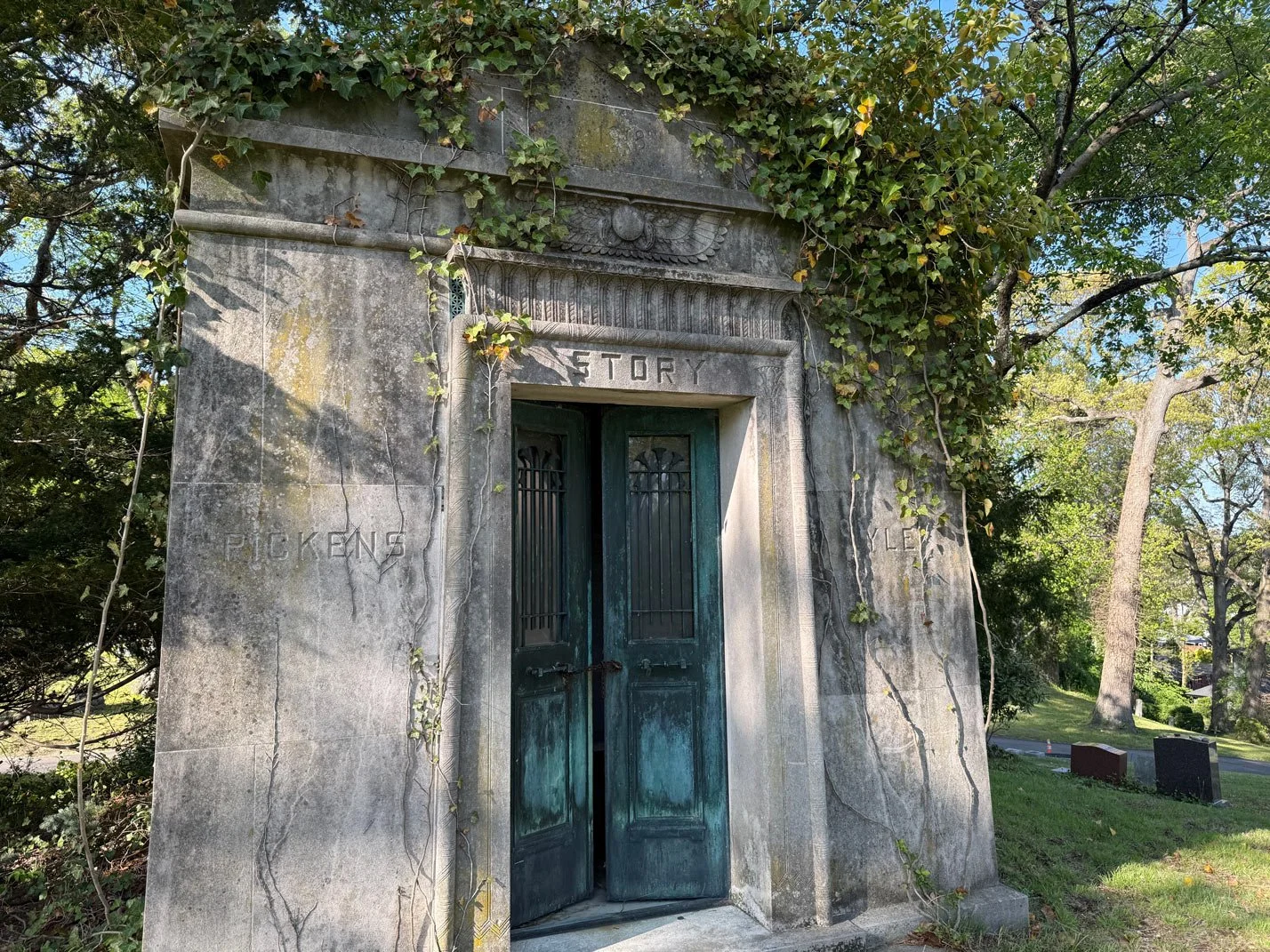
Our History
The Roslyn Cemetery was created under the Rural Cemetery Act of 1847, which authorized burial grounds in rural New York State.
Notable sites and burials in the cemetery include:
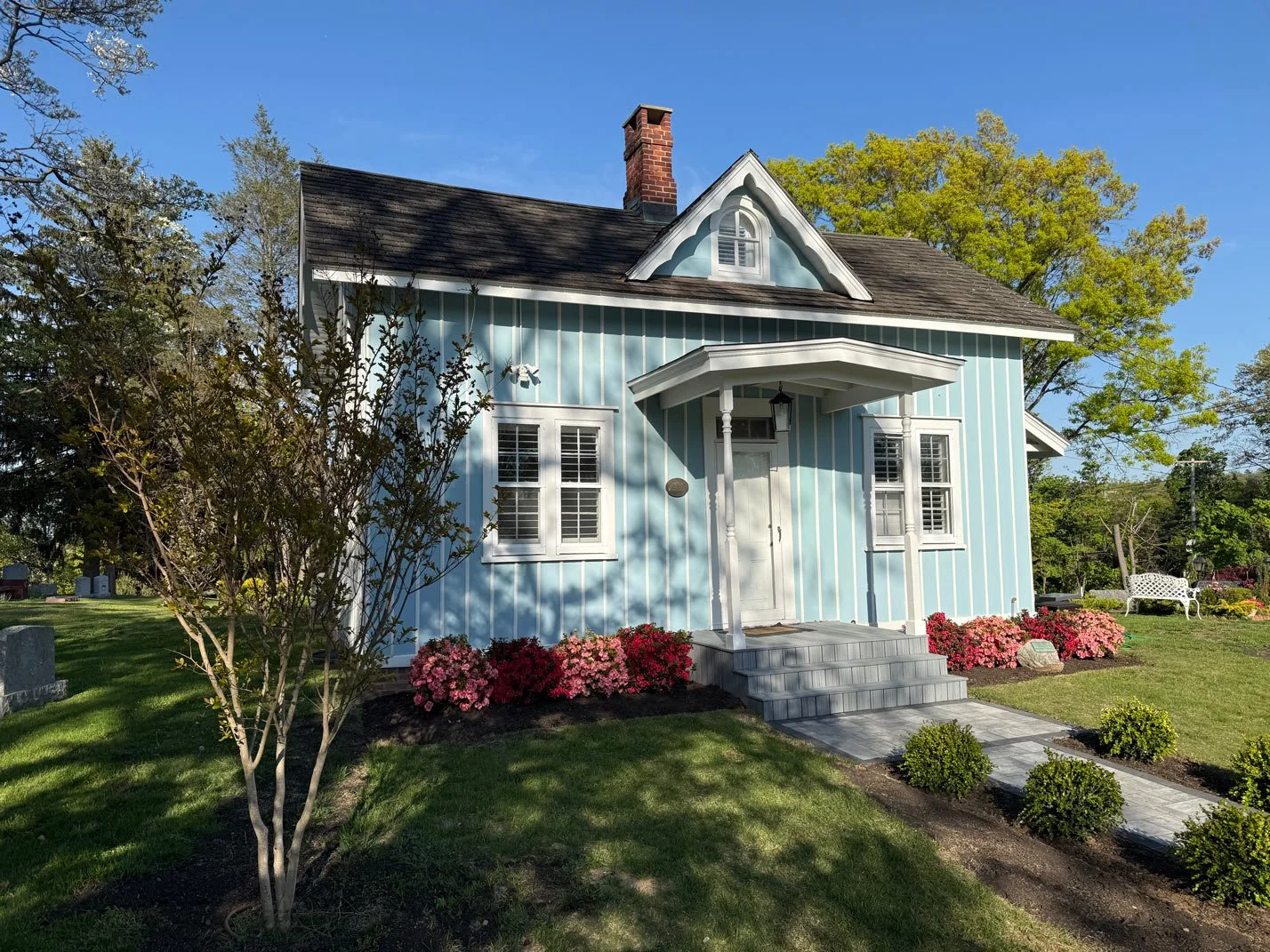
East Gate Toll House
Built ca. 1860, the Toll House is the last remaining 19th-century one on Long Island. The Toll House was constructed to collect funds to maintain the North Hempstead Turnpike (now Northern Blvd.), which was a major transportation route. Long poles extended over the road to stop vehicles and were raised after the toll was paid. A toll collector lived in the house. Upon the subsequent realignment of the Turnpike, the Toll House was no longer positioned along its route. Today, the restored Toll House serves as the office for the Roslyn Cemetery.
For more information, our friends at the Roslyn Landmark Society have many records of the prominent landmarks and notable community members buried at the Roslyn Cemetery.
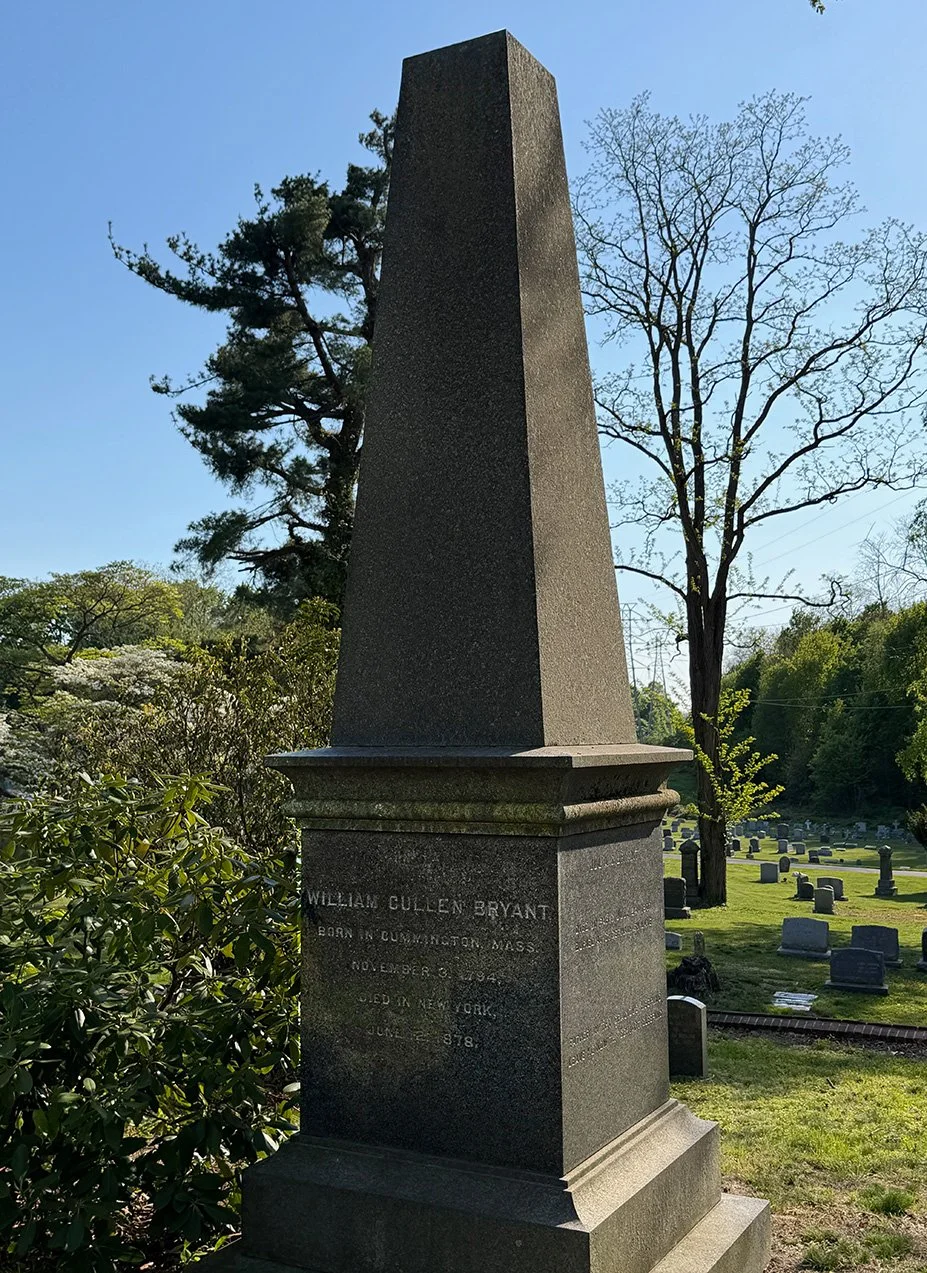
William Cullen Bryant
In the cemetery, you can find the grave of William Cullen Bryant (1794 – 1878), famed American poet, journalist and editor. He was a leading abolitionist and advocate of Free Speech and the author of the poem “Thanatopsis,” written in 1811. The internationally famous poem is recognized as having introduced a serious and distinctly American voice to literature.
Cedarmere, his country house and garden, is a National Historic Landmark located approximately one-half mile northwest of the cemetery on Bryant Avenue in Roslyn and is open to the public.
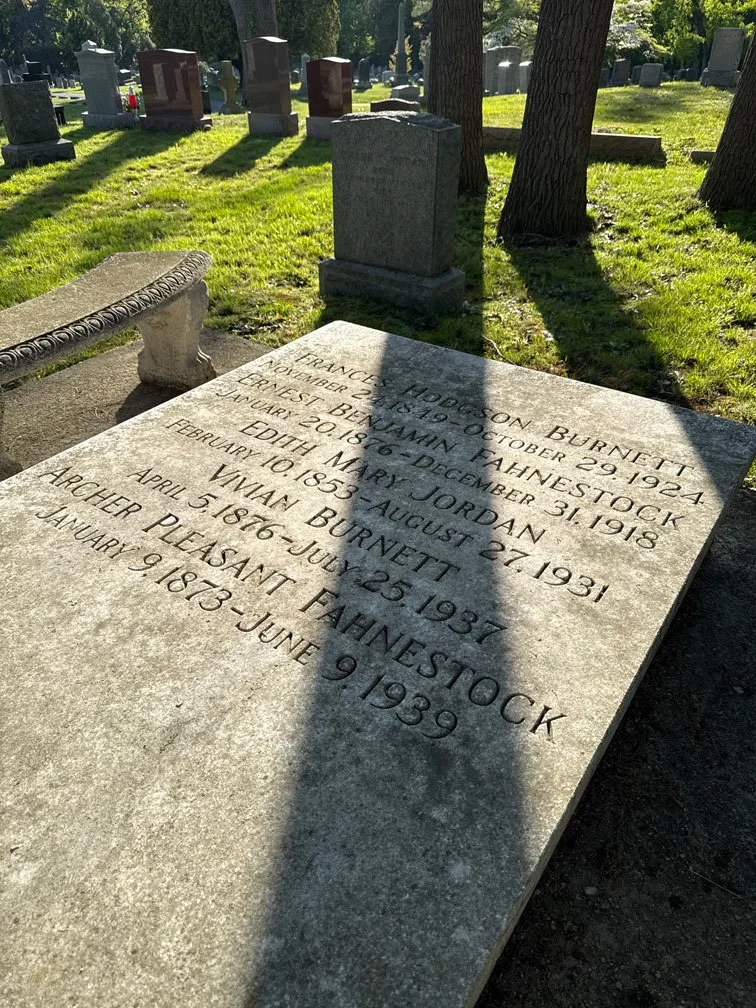
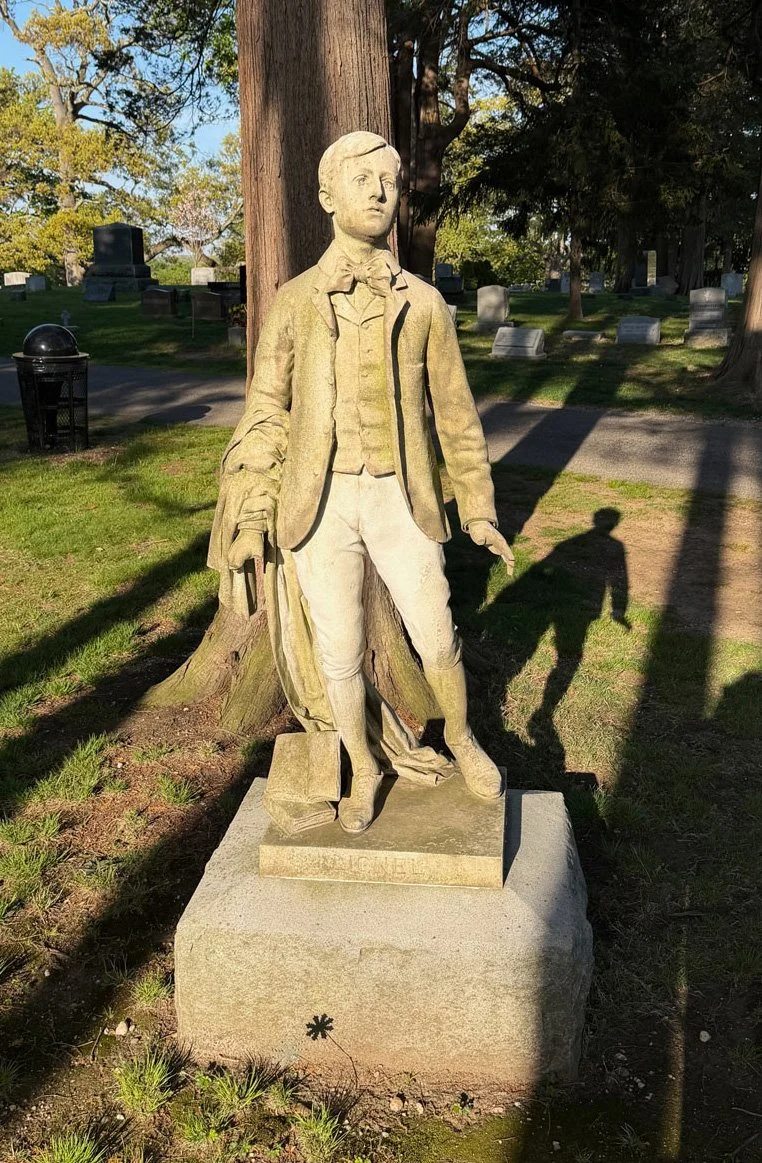
Frances Hodgson Burnett
Frances Hodgson Burnett (1849–1924) was a pioneering and widely read author of children’s literature. Near her gravesite, a charming statue depicts her son Lionel, who died in Paris at the age of 16.
Her best-known works include:
Little Lord Fauntleroy — A story of kindness and unexpected inheritance that became a cultural phenomenon and even influenced children’s fashion in the late nineteenth century. Cedric, with his curled long hair and velvet suits, was based on her younger son, Vivian.
A Little Princess — The tale of a young girl who endures hardship with imagination and grace; it has been adapted multiple times for film and television.
The Secret Garden — A beloved classic about friendship and renewal that continues to inspire stage and screen adaptations today.
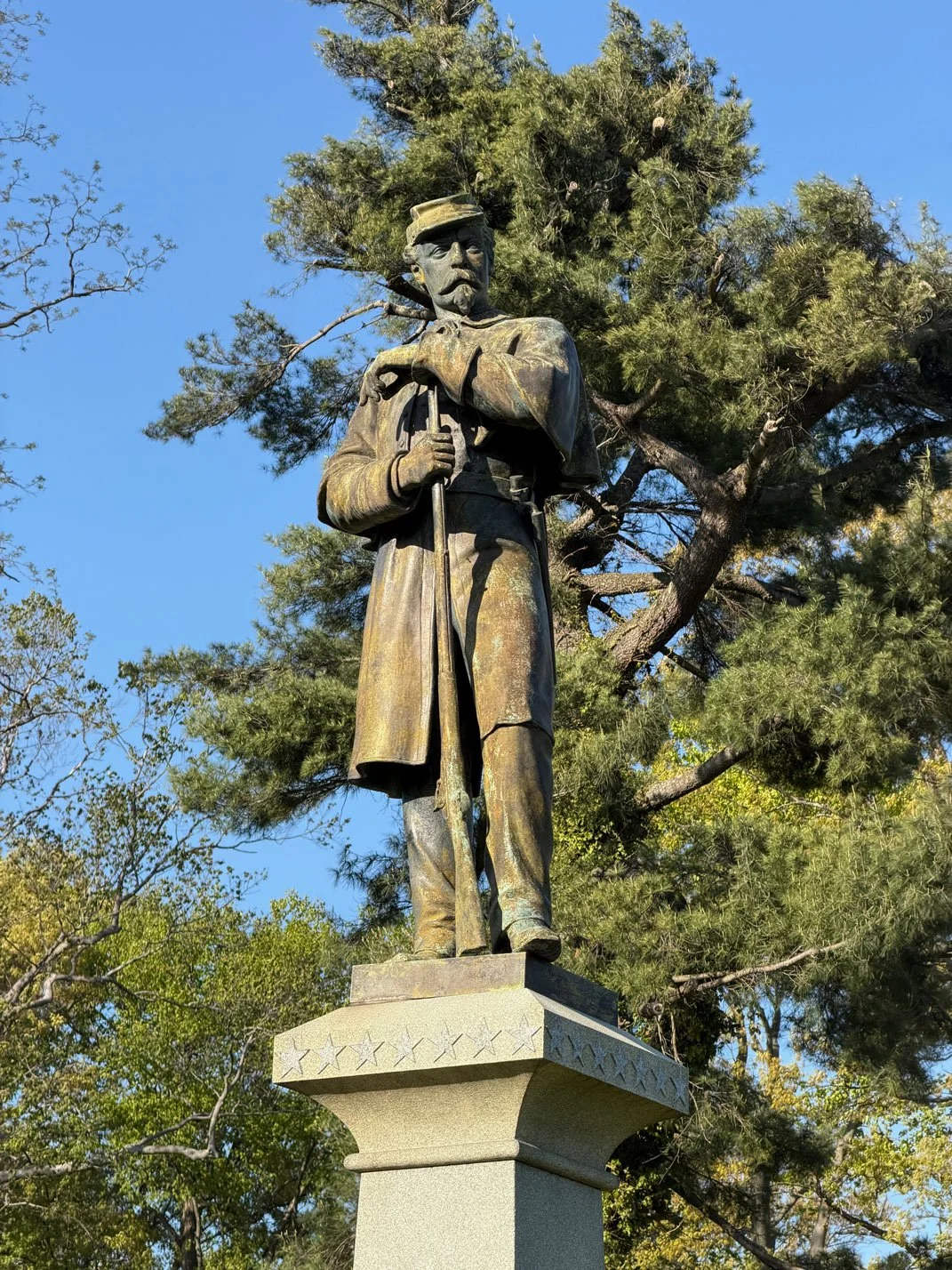
Roslyn Civil War Memorial
Erected in 1902, this is a bronze statue of a Union Civil War soldier mounted on a 14-foot high granite pedestal. The statue was stolen in 1992, but replaced a few years later. The base contains inscriptions listing the units in which Roslyn soldiers served. It lies in a section of the cemetery dedicated to the fallen Civil War soldiers from Roslyn.
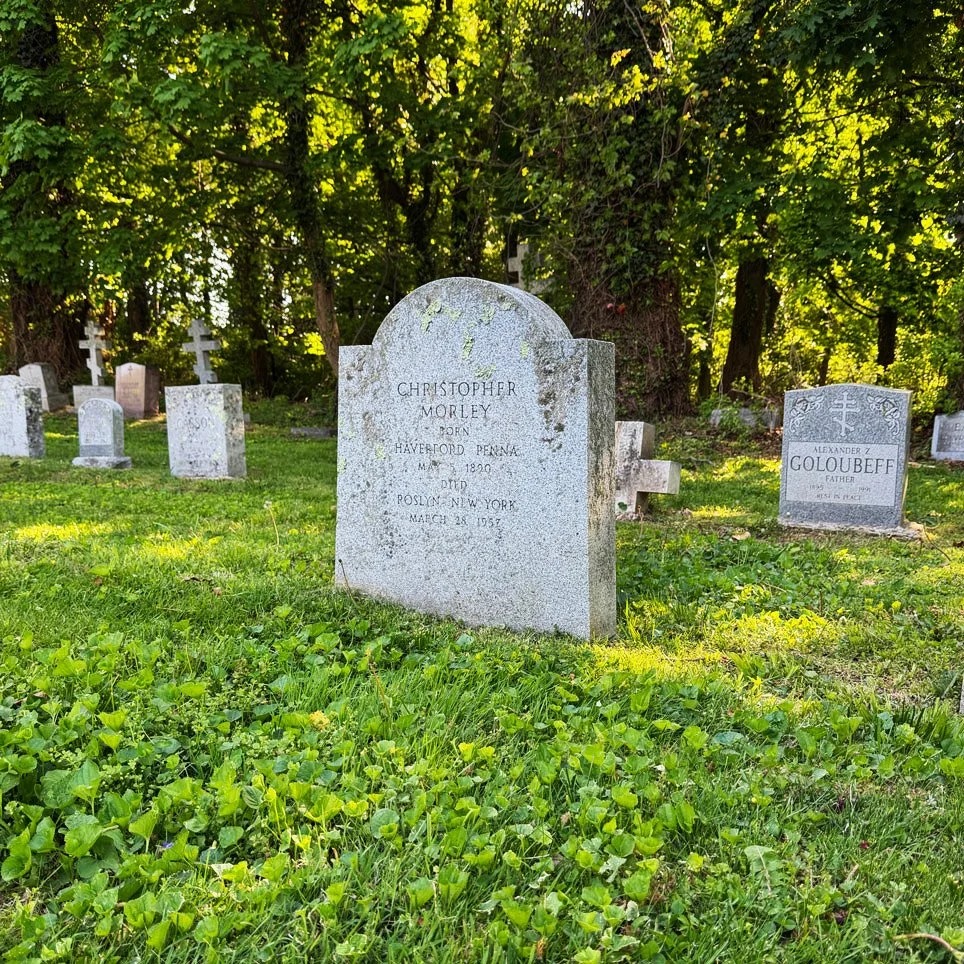
Christopher Morley
Christopher Morley (1890–1957) was a famed mid-20th-century American journalist, novelist, poet, and essayist. He was the founding editor of the Saturday Review of Literature and the author of the novel Kitty Foyle, which was adapted into a motion picture for which Ginger Rogers won the Academy Award for Best Actress. His writing studio, “The Knothole,” was later relocated and is now preserved in Christopher Morley Park, 500 Searingtown Road, Roslyn.
Stephen Taber
Stephen Taber (1821-1886) was a businessman and United States Congressman from 1865 to 1869. He was instrumental in organizing the transportation of goods from Long Island — including grain produced at the Roslyn Grist Mill — to New York City and Brooklyn. The Roslyn Grist Mill in nearby Roslyn Village is currently undergoing restoration through the efforts of the Roslyn Landmark Society.